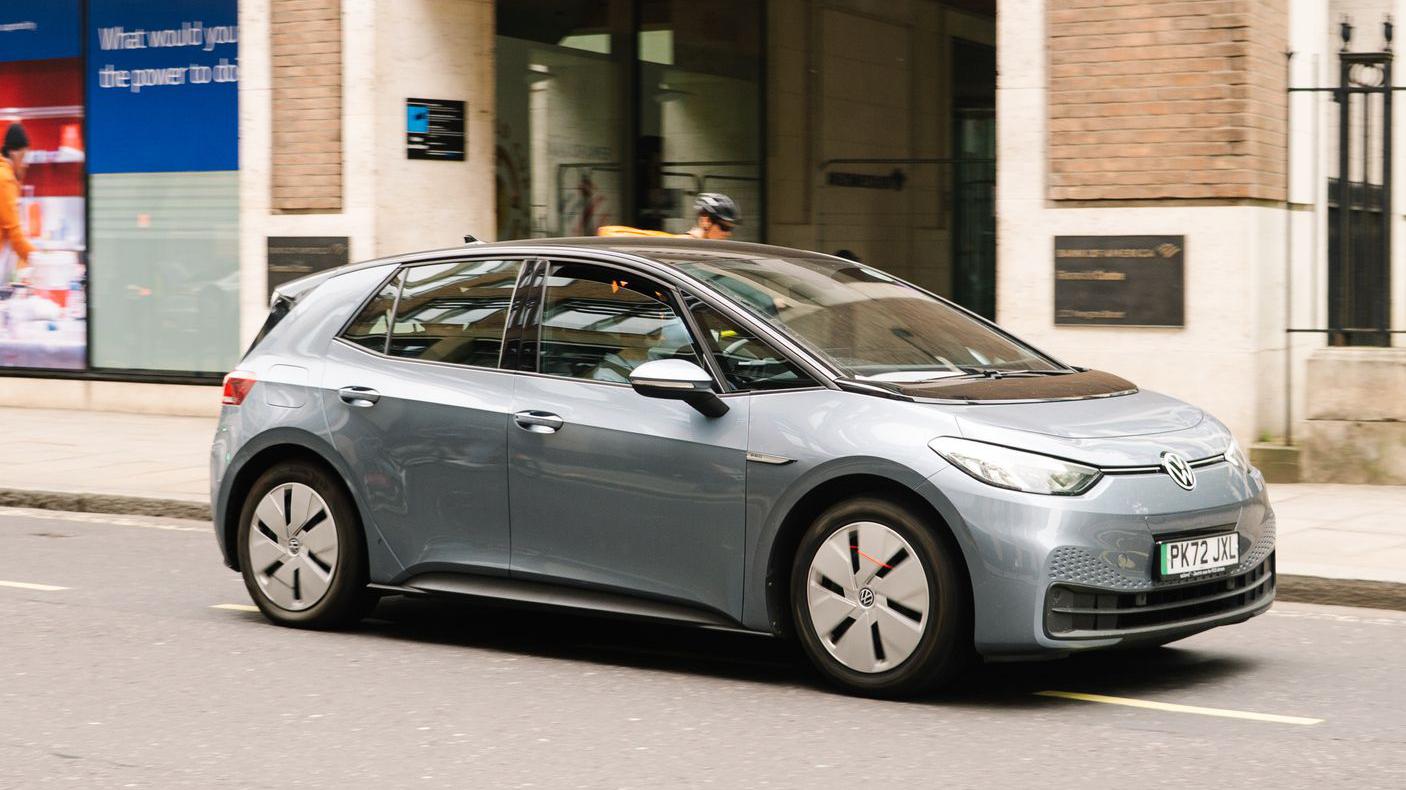
Volkswagen has announced a fresh monthly subscription program that enables vehicle owners to increase horsepower as an additional option. This step edges the car manufacturer into a leading position within the expanding trend of on-demand functionalities and digital enhancements in the auto sector. Instead of a singular transaction for a lasting power increase, Volkswagen is reportedly trying out a system that offers adaptability and simultaneously establishes a consistent revenue source. The essence of this approach lies in generating profit from features that exist within the car but are restricted by a software-controlled barrier.
This approach is part of a broader shift in the automotive industry, where vehicles are increasingly being designed as software platforms. Many automakers now build cars with a full suite of features pre-installed at the factory, and then offer a tiered system of access. Customers pay to “unlock” certain capabilities, whether it’s heated seats, advanced navigation, or, in this case, increased engine power. This model allows manufacturers to streamline their production process by building a more uniform product while also creating a continuous revenue stream long after the initial sale.
The reported subscription service for a horsepower increase is a particularly interesting application of this strategy. For a monthly fee, Volkswagen owners can apparently activate a software update that boosts their car’s performance, adding a noticeable gain in both horsepower and torque. This can be appealing to customers who want to temporarily enhance their vehicle’s capabilities for a special occasion or simply to test out the feature without a long-term commitment. It gives consumers more choice and control over their vehicle’s performance and functionality on a flexible, on-demand basis.
Nonetheless, this approach has sparked notable debate and criticism. A considerable number of consumers feel as if they’re being unjustly charged for features already included in the car, which they believe they’ve essentially paid for upfront. The notion of subscribing to essential car functionalities represents a significant departure from the traditional ownership model and may cultivate feelings of discontent. Buyers might perceive that they aren’t acquiring the vehicle’s entire potential when they make the purchase, and that the company is deliberately holding back features to earn more money. The analogy to subscription services like Netflix, as some commentators have noted, underlines the public’s view of this as commodifying the intrinsic capabilities of a product.
The industry’s embrace of this subscription model also raises questions about the future of car ownership and the used car market. If features are tied to a subscription, what happens when a vehicle is sold to a new owner? Will the new owner have to start a new subscription to access the same features, or will the features transfer with the car? This uncertainty could complicate the resale process and potentially affect a car’s long-term value. Moreover, it introduces a level of complexity for consumers who are accustomed to a clear and final transaction at the time of purchase.
Este modelo de negocio no es del todo novedoso. Algunas marcas de lujo han estado experimentando con mejoras de rendimiento basadas en software durante algunos años. Por ejemplo, algunos fabricantes de vehículos eléctricos han ofrecido compras únicas para desbloquear permanentemente una mayor potencia en sus automóviles. No obstante, el movimiento informado de Volkswagen hacia un modelo de suscripción mensual recurrente para este tipo de característica representa un paso importante, indicando un esfuerzo más amplio para normalizar esta práctica en el mercado masivo. Esto sugiere que los fabricantes de automóviles están decididos a encontrar nuevas formas de generar ingresos con sus productos a lo largo del ciclo de vida del vehículo.
The success of this strategy will ultimately depend on how consumers perceive the value proposition. If the monthly fees are seen as fair and the on-demand access is truly flexible and useful, then the model may find a receptive audience. However, if it is perceived as a cynical attempt to extract more money from customers, it could lead to a significant public backlash, as was the case with a similar attempt by another major automaker to charge for heated seats. The future of the automotive industry may well be tied to software and data, but the companies that succeed will be those that can navigate this shift without alienating their core customer base.
Volkswagen’s entry into this field marks a daring step that the whole industry will be observing keenly. It underscores the balance between innovation and customer expectations within a rapidly changing market. The result of this trial may significantly impact whether other leading car manufacturers choose to imitate it. The industry is approaching a significant shift, transitioning from a sales-focused model to one based on services, and Volkswagen is said to be among the initial key players to take this significant move for a fundamental vehicle feature. The response from the public will reveal if this represents the future direction of the car industry or an error that will soon be corrected.