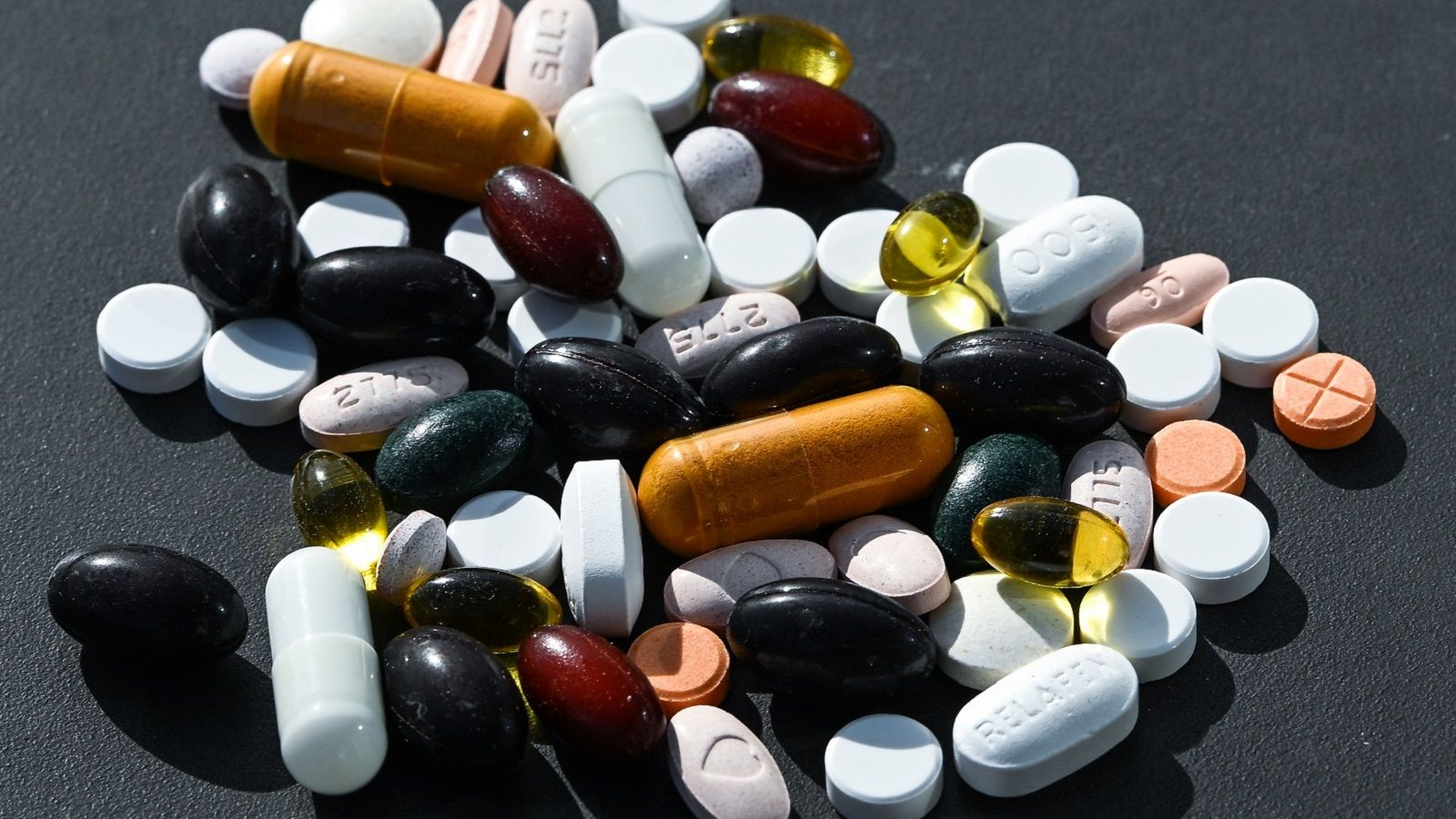
Former President of the United States, Donald Trump, is once more in the spotlight following a daring promise: to reduce prescription drug costs by an incredible 1,500%. This statement has stirred enthusiasm among his followers and ignited discussions across various political arenas. However, the magnitude of the figure has prompted numerous experts, commentators, and regular citizens to ponder over the feasibility, mathematical validity, and potential implementation of such a proposal.
At first glance, the claim grabs attention. The cost of medications has been a continuous concern for countless people in the United States, impacting not only those requiring treatment but also insurance companies, medical centers, and government financial plans. The notion of significantly reducing drug costs is attractive, especially for individuals who find it challenging to pay for essential treatments every month. Nonetheless, when the reduction percentage is more than the entire price of the item itself—as suggested by a claim of “1,500% reduction”—it naturally prompts inquiries about the preciseness and purpose of such a statement.
To understand the feasibility of such a promise, it is important to look at the math. In basic terms, a reduction of 100% would make a product free. Going beyond that—let alone reaching 1,500%—doesn’t align with conventional pricing logic. A cut of 1,500% would suggest not only eliminating the cost entirely but also effectively paying consumers many times over for taking the drug, something that is not standard practice in any market, let alone the pharmaceutical industry.
This has caused analysts to think that the number might be more figurative than exact, meant to highlight the intensity of Trump’s discontent with existing pricing frameworks, rather than act as an exact mathematical policy proposition. Trump is known for employing exaggerated language to draw attention and shape policy discussions, and this comment seems to adhere to that trend.
Still, beneath the overstated statistic is a genuine and persistent policy concern: the notably elevated expenses of prescription drugs in the United States in contrast to other advanced nations. The U.S. drug market is distinct as it permits manufacturers to largely determine prices, without the pricing limits enforced by governments in countries with single-payer systems or more rigorous price negotiation approaches. Consequently, certain medications are much pricier in the U.S. than in other countries, sparking public frustration and growing demands for change.
Trump’s previous record on drug pricing offers some insight into how he might approach the problem if given the opportunity. During his presidency, he pushed for a “most favored nation” rule, which would have tied U.S. drug prices to the lower prices paid by other wealthy nations. That proposal, however, faced intense pushback from the pharmaceutical industry and was ultimately blocked in court. He also signed executive orders intended to allow the importation of certain drugs from Canada, where prices are lower, though these initiatives faced logistical and legal hurdles that prevented them from being widely implemented.
The 1,500% number is best comprehended when seen within the larger framework of Trump’s political agenda. By delivering an extraordinary commitment, he presents himself as an advocate for consumers, simultaneously portraying his adversaries—be they Democrats, industry leaders, or bureaucrats—as protectors of an unfair system. In truth, any meaningful decrease in medication costs would necessitate collaboration among Congress, regulatory bodies, and the pharmaceutical industry, as well as substantial modifications to patent legislation, rules on pricing transparency, and Medicare’s ability to negotiate.
Economic specialists caution that while substantial reductions in prices might decrease expenses for patients initially, they could also lead to unforeseen effects. The pharmaceutical sector frequently states that elevated drug costs support research and development, facilitating the discovery of novel therapies. They argue that a sharp decline in profits could hinder innovation and lower the quantity of new medications reaching the market. Opponents of this perspective argue that a significant portion of the industry’s R&D funding comes from taxpayers via grants and government-supported research initiatives, and that pharmaceutical firms often allocate more funds to marketing than to the creation of new treatments.
For patients, the stakes are tangible and immediate. Many Americans ration medications, skip doses, or go without treatment altogether because of high costs. In life-or-death cases—such as insulin for diabetics or chemotherapy drugs for cancer patients—unaffordable prices can have devastating consequences. The public’s frustration is not unfounded, and politicians of both parties have recognized the political potency of promising relief.
Trump’s recent declaration resonates with this discontent but omits many specifics. Which medications would be impacted by these substantial price decreases? Would the price reductions affect brand-name medications, generics, or both categories? How would the government implement these reductions within a predominantly private, market-oriented healthcare framework? Without addressing these queries, the pledge seems more like a headline-grabbing announcement than a solid policy proposal.
Here’s the text in English, following your guidelines:
The political equation is straightforward: the issue of drug costs resonates across party lines, providing a potent theme for electoral campaigns. However, implementing changes is significantly more challenging. Previous initiatives to reform the system have faltered due to the sway of pharmaceutical lobbyists, the intricacy of American healthcare regulations, and the worldwide characteristics of the drug supply chain. Any decisive action on pricing would probably encounter prolonged legal disputes and opposition in the political arena.
In the meantime, smaller, incremental reforms have shown some success. The Inflation Reduction Act passed under President Biden included measures to allow Medicare to negotiate the prices of certain high-cost drugs for the first time, as well as caps on insulin prices for seniors. While these changes are modest compared to Trump’s sweeping rhetoric, they represent tangible steps toward affordability.
Whether Trump’s claim of a 1,500% increase is ultimately viewed as a genuine policy proposal, an embellishment, or merely part of an electoral performance will be determined by its evolution in the coming months. Currently, it exemplifies how political discourse can obscure the distinction between aspirations and reality—particularly on topics as intimate and economically challenging as the expenses associated with healthcare.
The core issue is that people in the United States spend much more on prescription medications than those in similar countries, and resolving this inequality will demand a comprehensive, ongoing strategy. Be it via negotiation, regulation, or overhauling the pharmaceutical industry, the aim to reduce expenses is a common objective. The difficulty is transitioning from ambitious commitments to practical, legally viable, and economically feasible remedies—something no government, whether Republican or Democrat, has completely succeeded in accomplishing.