

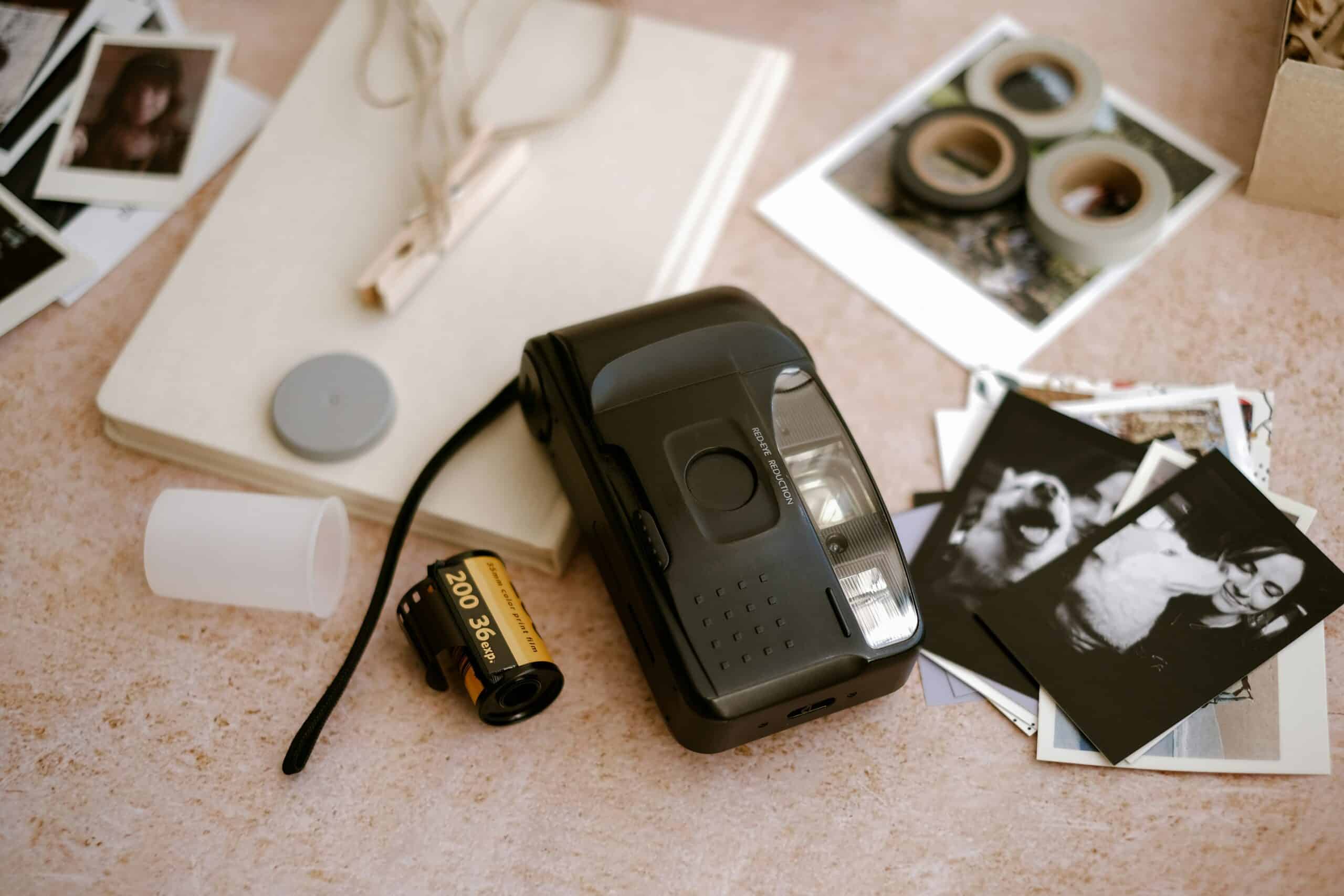
As AI-powered tools increasingly manage our daily tasks, more people are seeking ways to unplug and engage with the physical world. The movement, often called the “analog lifestyle,” focuses on slowing down, enjoying hands-on activities, and reclaiming moments from screens and generative AI.
The phenomenon is growing, even if hard to measure precisely. Hobbies traditionally seen as old-fashioned, such as knitting, painting, and crafting, are seeing a resurgence. Arts and crafts retailer Michael’s has reported a 136% increase in searches for “analog hobbies” over the past six months. Sales of guided craft kits rose 86% in 2025, with projections showing another 30% to 40% increase this year. Yarn kits, long associated with traditional hobbies, jumped 1,200% in popularity. Stacey Shively, Michael’s chief merchandising officer, explained that the company plans to expand in-store sections dedicated to these materials as demand continues to grow.
A large part of the attraction comes from its mental health advantages, as many people now turn to crafting and other analog pastimes to escape nonstop online browsing, especially following the isolation and digital burnout brought on by the Covid-19 pandemic.
Encountering analog in person
CNN Business reporter Ramishah Maruf chose to explore the analog lifestyle firsthand. Over a 48-hour period, she put aside nearly every modern device she owned, including three iPhones, a MacBook, two large desktop monitors, a Kindle, and an Alexa. The experience went beyond stepping away from technology; it centered on breaking the cycle of automatic scrolling and regaining command of her time and focus.
Many people opt to disconnect from screens as a cultural or personal preference rather than committing to a strict digital detox. In British Columbia, 25-year-old Shaughnessy Barker has fully adopted an analog lifestyle. She relies on a home landline and uses a “dumb phone” app when she’s out, prioritizing conversations and letters over social media. Barker calls herself “an AI hater to my core,” having been raised on vinyl records and a collection of VHS tapes, DVDs, and cassettes. She organizes tech-free craft sessions and wine gatherings, pens handwritten messages, and enforces firm limits on how she uses her computer.
Even committed analog devotees such as Barker still encounter obstacles, as much of her daily work—operating a vintage shop and managing a “snail mail club”—depends on the internet, underscoring the strain between pursuing an offline life and handling real-world duties in a connected era. Barker accepts the contradiction: relying on TikTok to showcase a tech-free lifestyle reveals the careful equilibrium needed to remain analog within a digital age.
Why people are drawn to analog ways of living
Many people turn to analog practices as a response to AI-generated content, often called “AI slop,” which Avriel Epps, an AI researcher at the University of California Riverside, describes as repetitive, fatiguing, and lacking originality. The analog movement is not anti-technology; participants selectively integrate offline activities into their lives.
Some choose small but meaningful changes: replacing streaming services with a vintage iPod, taking film photographs instead of endless digital snaps, or using a physical alarm clock instead of a smartphone. These choices create tangible results and reduce digital dependency. Epps emphasizes that going analog is less about rejecting information and more about limiting how much the digital world knows about an individual, such as stepping away from Google’s ecosystem or observing screen-free Sundays.
The appeal extends beyond personal satisfaction. For many, hands-on hobbies provide focus, creativity, and relaxation in ways that AI-driven entertainment cannot. During Maruf’s 48-hour experiment, she found that crafting, reading, and journaling freed up time that would otherwise be lost to scrolling. Activities like knitting, painting, or tackling physical projects allow participants to see immediate, tangible results from their efforts, reinforcing a sense of accomplishment.
Building community and forging connections through analog pastimes
Analog activities frequently draw people together, opening up screen-free social moments. Maruf witnessed this directly at a knitting circle in a Brooklyn library, where attendees of various ages exchanged advice and showcased their projects while staying completely unplugged. Tanya Nguyen, a frequent participant, noted that knitting provides a tactile way to unwind while keeping phones out of the picture.
Offline activities foster a calmer, more present mindset, something many participants admit is difficult to attain when most interactions happen through digital devices. By engaging with physical tasks—whether stitching a scarf, keeping a journal, or turning the pages of a printed book—analog fans discover both fulfillment and a sense of belonging. For Maruf, this analog trial made it possible for her to wrap up goals such as completing “Wuthering Heights,” mailing a handwritten postcard, and starting a knitting project, giving her a concrete feeling of achievement that extended beyond work or online demands.
Difficulties faced when embracing an analog lifestyle in an ever-connected world
Despite its appeal, fully adopting an analog lifestyle presents challenges. Many responsibilities still require digital tools, from professional work to personal communications. Even devoted practitioners must navigate the tension between embracing offline life and participating in online systems necessary for daily life.
Additionally, the trend also underscores contrasts between generations, as younger adults raised around technology often struggle to completely step away from their screens. Yet as the analog lifestyle becomes more appealing, even limited practices such as starting the day without devices, pursuing offline pastimes, or reducing social media use can offer substantial relief from digital overload and AI saturation.
The movement also signals a broader cultural change in how society relates to technology, as more people challenge AI’s place in everyday routines and look for experiences that elevate genuine creativity, authenticity, and human interaction instead of mere speed or convenience. By embracing a slower pace, dedicating themselves to hands-on efforts, and limiting dependence on AI-generated material, participants regain control of their time, focus, and imaginative expression.
A growing cultural shift
The rising enthusiasm for analog hobbies reflects far more than a passing fad, as companies like Michael’s have noted sharp increases in both sales and searches for analog-centered products, indicating that many Americans are turning to offline pastimes as a way to practice self-care and push back against constant digital saturation.
Choosing complete digital withdrawal is rarely feasible, yet an analog approach highlights how intentional periods offline can be invaluable. By weaving device-free moments into everyday life, people can sharpen their concentration, ease mental strain, and foster meaningful outcomes beyond what AI is able to duplicate.
Ultimately, the analog lifestyle represents both a personal and societal response to an increasingly AI-driven world. It emphasizes slowing down, appreciating tangible accomplishments, and reconnecting with both the physical environment and the people around us. Whether through crafts, reading, or simply reducing screen time, the movement encourages individuals to reclaim aspects of life that technology often overshadows, offering a path toward balance in the digital era.
As more individuals embrace these offline habits, it becomes evident that analog living has evolved beyond a passing trend, emerging instead as a widespread cultural movement that values deliberate, tactile experiences within an era shaped by AI and digital ease.



.jpg "Complete steps for US and Canadian retirees to obtain Panama pensionado visa in 2026")
