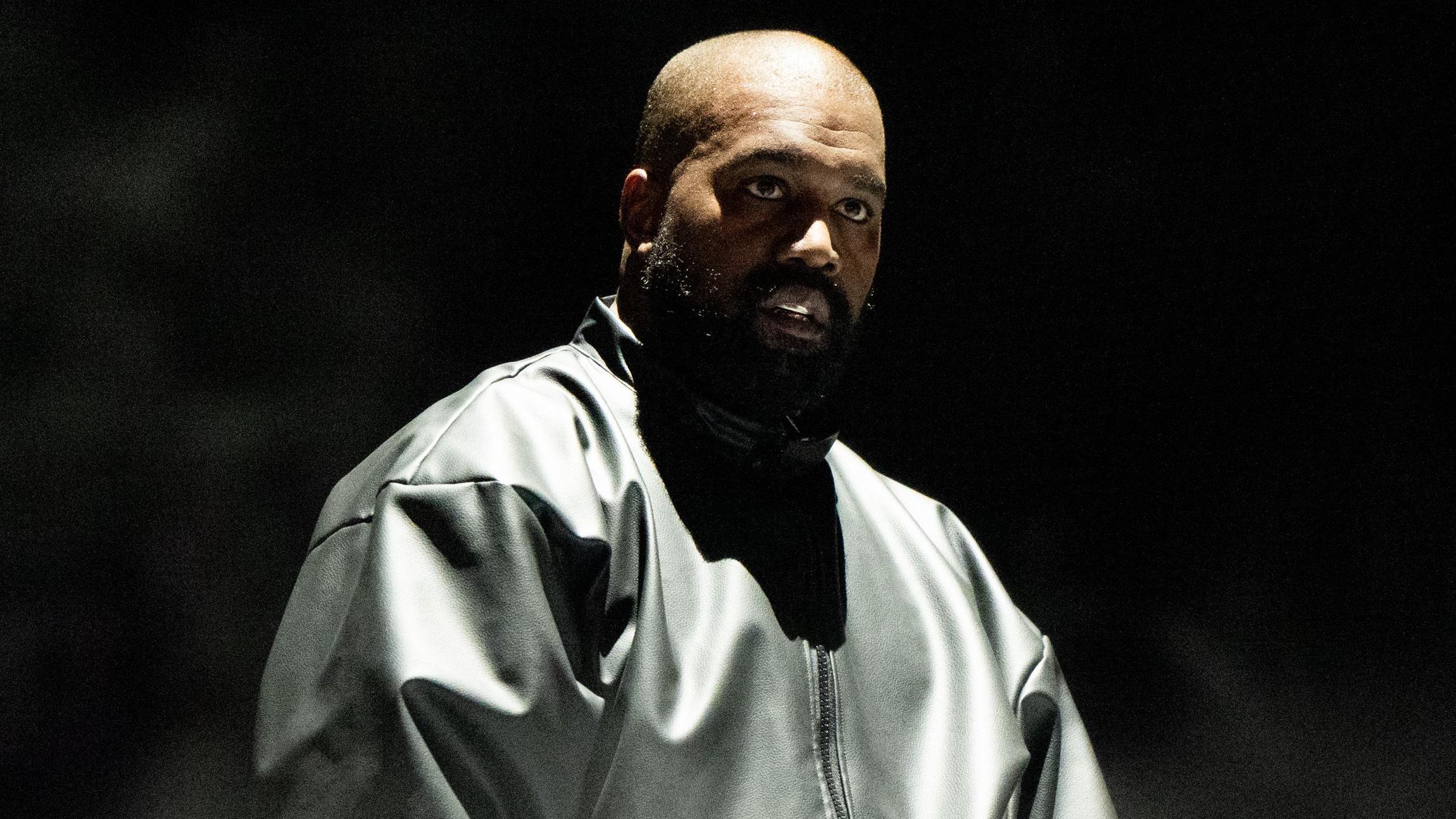
A major music festival in Slovakia, which recently made headlines by announcing Kanye West as one of its headliners, has officially been called off. The unexpected cancellation comes as a disappointment to thousands of music fans who were eagerly anticipating the event, which was set to bring together some of the biggest names in rap and hip-hop for a weekend of live performances, community, and celebration.
The festival, which aimed to position itself as one of Eastern Europe’s largest rap-focused gatherings, was scheduled to take place later this year. Organizers had hoped that featuring an internationally recognized artist like Kanye West would help elevate the profile of the event, attract international attention, and boost ticket sales. However, after a series of challenges, the event has now been canceled, leaving both ticket holders and performers uncertain about future plans.
The announcement of Kanye West’s participation initially sparked both excitement and doubt. Despite West’s undeniable impact in the music industry, his recent controversies and erratic actions led some fans and local observers to question the decision. Nevertheless, it created a significant stir, with media sources and social networks buzzing as fans expressed their anticipation for what was anticipated to be an iconic performance in the area.
Nevertheless, although there was initial excitement, the festival quickly encountered several logistical and financial challenges. Based on local sources, issues related to event organization, infrastructure preparation, and budget limitations emerged shortly after the announcement. The expenses involved in hosting an artist of West’s caliber in Slovakia, in addition to required accommodations, security protocols, and production criteria, seem to have strained the festival’s budget beyond its limits.
In addition to financial challenges, the organizers faced difficulty securing the necessary permits and meeting city regulations required to host such a large-scale event. Planning a festival of this magnitude involves coordination with local authorities, safety teams, and venue management, and any missteps can quickly derail the process. As the original date approached, it became increasingly clear that the necessary groundwork was not falling into place as expected.
Fans who had purchased tickets expressed their disappointment across social media, many citing their frustration not only with the cancellation but also with the lack of clear communication in the lead-up to the announcement. Some ticket holders mentioned that updates from the organizers were sporadic and vague, leaving them uncertain about the status of the event until the official cancellation was confirmed.
The festival’s cancellation has also sparked broader conversations about the viability of hosting large-scale international music events in smaller European markets. While countries like Slovakia have a vibrant and growing music scene, staging an event of this size and complexity requires substantial financial investment, infrastructure, and logistical expertise. For many smaller promoters, the risks may simply outweigh the potential rewards, particularly when working with high-profile global artists.
Kanye West’s involvement, while potentially a huge draw for ticket sales, also added an extra layer of complexity. Known for his unpredictable nature, public controversies, and abrupt cancellations in the past, West’s presence as a headliner may have been seen as both an opportunity and a risk. His reputation for last-minute changes, unconventional performances, and polarizing public statements could have made some partners and sponsors hesitant to fully commit to the event.
Moreover, in today’s fast-moving digital environment, the pressure on festival organizers to deliver not just a successful event but a memorable cultural moment is higher than ever. Music festivals are no longer just about live performances—they are immersive experiences that rely heavily on social media engagement, influencer participation, and viral content. Falling short in any of these areas can significantly impact ticket sales, brand reputation, and long-term viability.
The financial implications are also substantial. Engaging global performers, especially of West’s stature, entails not only steep appearance fees but also comprehensive technical needs. From stage layout and audio management to artist care and safety, expenses can rapidly surpass initial forecasts. For a festival functioning in a market where average ticket costs and local sponsorships might not align with those of bigger international markets, the financial framework becomes unstable.
Another contributing factor to the cancellation may have been the changing landscape of live music post-pandemic. While the appetite for live events has certainly returned, many organizers are still navigating new challenges related to public safety, changing regulations, and shifting audience expectations. The logistical demands of hosting thousands of attendees while ensuring health and safety protocols can be a daunting task, especially for events still in the process of establishing themselves.
Although there was a setback, numerous enthusiasts and industry experts are optimistic that the festival’s concept will continue. Slovakia and the nearby area are home to a devoted community of hip-hop and rap enthusiasts, along with a rising number of gifted local performers who need opportunities to present their art. Introducing international celebrities to this area can greatly motivate and unify communities, yet it demands meticulous organization, sustainable advancement, and pragmatic outlooks.
In the interim, the focus has shifted to how the organizers will manage ticket refunds and inform the impacted attendees. Clarity and prompt communication will be vital in preserving goodwill among fans and prospective future event participants. Numerous ticket holders have voiced worries about the refund procedures, and explicit instructions will be essential to prevent additional harm to their reputation.
The event’s cancellation highlights the importance for music festival planners to achieve a balance between ambition and practicality. Although attracting famous artists can create excitement and initial interest, sustainable success frequently results from developing a strong base with smaller, more manageable events that incrementally grow. Festivals like Glastonbury, Coachella, and Primavera Sound spent years building their international stature, growing naturally while fostering dedicated audiences and industry credibility.
For Kanye West, the Slovak festival’s cancellation is merely another episode in his intricate and tumultuous interactions with the live music scene. West continues to be a highly impactful and divisive personality in modern music, with a career characterized by both innovative creativity and notable controversies. His impact reaches beyond music, influencing fashion, art, and culture, positioning him as both an asset and a complex collaborator for live performances.
No matter the personal views about West, his global celebrity status is unequivocal. Hosting an artist of such caliber in an up-and-coming market like Slovakia would have represented an important cultural milestone for the area. The letdown associated with the event’s cancellation underscores both the excitement of the regional fans and the logistical challenges that need to be addressed to realize such ambitious plans.
Looking ahead, there is still optimism that the dream of a large-scale rap and hip-hop festival in Slovakia can eventually become a reality. Many believe that by focusing on local talent, building strategic partnerships, and growing the festival organically, future editions can succeed without the need for costly international headliners in the early stages. Developing a strong sense of community and offering a well-curated lineup that reflects both global trends and regional talent could prove to be a more sustainable model.
In summary, the Slovak rap festival that was supposed to include Kanye West in its lineup being canceled highlights the challenges of putting together major music events, particularly in developing markets. Although high-profile announcements can create buzz, effectively executing an event demands thorough preparation, financial security, and flexibility to respond to unforeseen situations. This scenario provides both fans and event organizers with important insights that could influence how music festivals are organized in the region and other places. As the worldwide music industry keeps evolving, there remain chances for creativity, perseverance, and fresh ways to connect via live shows.