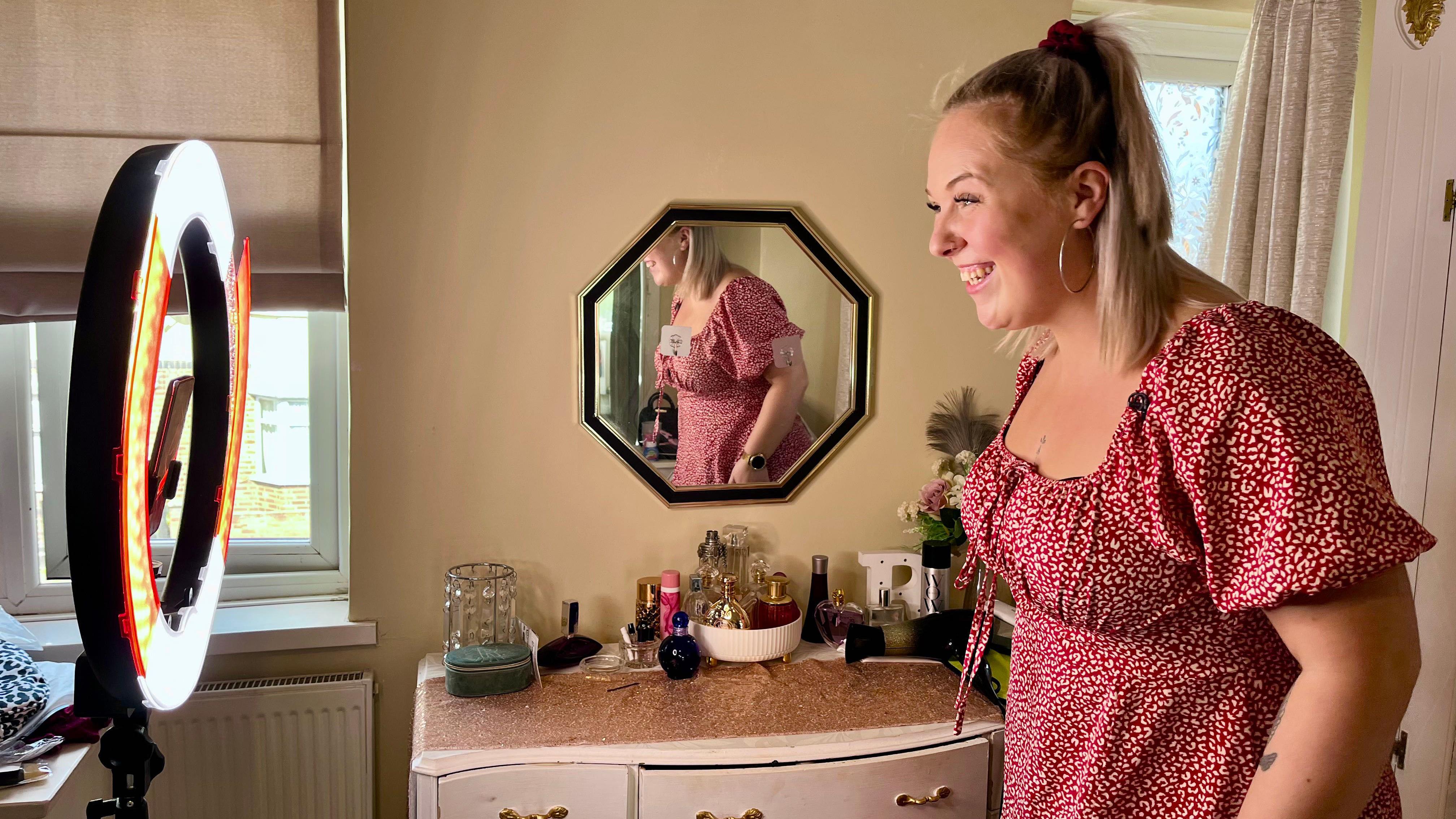
A woman has shared her remarkable story of financial turnaround, revealing how she used her earnings from the social media platform TikTok to pay off £13,000 ($16,500 USD) in debt. This personal anecdote highlights a growing trend of individuals leveraging their online presence and creativity to achieve financial freedom. The case serves as a powerful example of how the creator economy can be a viable path to not only generating income but also tackling significant financial burdens. Her journey from debt-ridden to debt-free underscores the potential of digital platforms to change lives and reshape traditional career paths.
The woman’s success was not an overnight sensation. She began creating content on TikTok with a simple passion for a niche interest, consistently producing videos that resonated with a specific audience. Her authentic voice and engaging style allowed her to build a dedicated following over time. The platform’s algorithm, which rewards consistent and high-quality content, helped her videos reach a wider audience, leading to an increase in followers and, eventually, a path to monetization. This organic growth is a key component of many successful stories on social media, where authenticity often trumps manufactured trends.
Monetization on TikTok can happen in several ways. For this woman, it was a combination of direct payments from the platform’s Creator Fund, brand deals, and live stream donations from her followers. The Creator Fund, which pays creators based on views and engagement, provided a steady stream of income. As her following grew, brands took notice, offering her lucrative sponsorship deals to promote their products. Additionally, her live streams became a source of income, as viewers showed their support by sending virtual gifts that could be converted into real money. This multi-faceted approach to earning allowed her to generate a substantial income, far more than she had initially anticipated.
The choice to allocate her earnings towards settling her debt was intentional and well-thought-out. She understood the chance to break free from the cycle of hefty interest fees and monetary strain. Her debt, which she likened to a “burden” she carried, was a major cause of worry. By making debt repayment a priority over other spending, she managed to direct a substantial part of her additional income to her loans and credit card dues. This methodical strategy is an essential aspect of her narrative, demonstrating that merely earning more isn’t sufficient; a clear plan for utilizing it is also necessary.
Her story is a powerful testament to the changing nature of work and the economy. In an era where traditional jobs can feel unstable, and the cost of living continues to rise, more people are turning to the digital world to find alternative sources of income. The creator economy, which includes platforms like YouTube, Instagram, and TikTok, offers a new way to earn a living based on creativity, expertise, and audience engagement. This shift is not just about making a little extra cash; for many, it is a way to gain financial independence and build a future on their own terms. The woman’s success provides a real-world example of this new economic reality.
While her story is inspiring, it is also important to acknowledge that not everyone who creates content on TikTok will achieve this level of success. The platform is highly competitive, and the algorithm can be unpredictable. Building a large and engaged following requires a significant investment of time and effort, with no guarantee of a financial return. Her success is a mix of hard work, a bit of luck, and a clear understanding of what her audience wanted. This makes her story all the more remarkable, as it highlights the dedication required to stand out in a crowded digital space.
The effects of achieving financial independence extend further than simply clearing debts. For her, it represented a newfound security and a prospect of a future relieved from the weight of monthly obligations. This freedom has unlocked fresh possibilities and enabled her to chase her interests without continually stressing over her economic status. Her story is a compelling reminder that financial well-being is not solely about figures; it is about having tranquility and the capacity to enjoy a life absent of anxiety. Her transition from indebtedness to financial triumph serves as a model for others, demonstrating how creative methods of income generation can result in a revamped existence.
The account of this woman’s journey from utilizing her TikTok revenues to settle £13,000 in debt is a modern triumph. It serves as a compelling illustration of how the creator economy can act as a transformative agent, offering people a route toward financial independence. Her progress from casually making content to becoming a strategic income generator and debt-free citizen highlights the potential of digital avenues. Her experience delivers motivation and encouragement to those burdened by debt, demonstrating that with innovation, discipline, and a touch of fortune, achieving a new financial status is attainable. Her debt settlement story marks an important point in the ongoing narrative of employment, finances, and the digital era.