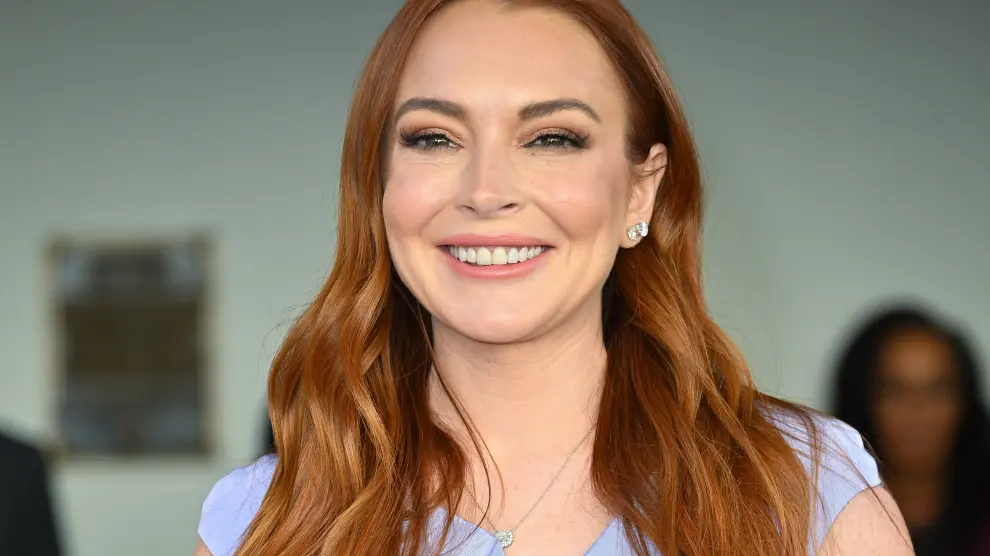
Lindsay Lohan has again become the focus of public interest—not because of a recent movie or controversy—but due to a remarkable fashion statement reminiscent of Cher Horowitz’s iconic wardrobe, the adored character from the 1995 teen hit Clueless. By adopting the unmistakable attire of the fictional Beverly Hills student, Lohan connects with a strong surge of ’90s nostalgia that is presently influencing popular culture and celebrity styles.
Cher Horowitz, portrayed by Alicia Silverstone, became a symbol of carefree sophistication, with her yellow plaid suit, knee-high socks, and rotating digital closet etched into the memory of a generation. Nearly three decades later, her style remains a cultural reference point, and Lohan’s homage does more than just nod to a trend—it revives a particular fashion attitude associated with empowerment, confidence, and playful glamour.
Lohan’s attire, which strongly resembles Cher’s legendary closet, quickly ignited discussions on social media platforms. Both fashion critics and followers applauded the ensemble for its smart design and perfect timing. With nostalgic styles taking over the runways and feeds—from butterfly hair accessories to low-waisted denim—Lohan’s appearance seems like an intentional and considerate decision that connects different eras of fashion.
This style transition signifies further progress in Lohan’s public persona. Previously characterized by her tabloid reputation from the early 2000s, she has, in more recent times, adopted a more calculated strategy towards celebrity. With a Netflix movie titled Falling for Christmas and numerous collaborations with brands to her name, Lohan has systematically redefined her role within the entertainment industry. Her outfit, inspired by Cher, serves as another illustration of how she is utilizing pop culture’s recurring trends to her benefit.
The intersection of fashion, memory, and identity plays a central role in this revival. By embodying a character who once symbolized the carefree and curated life of affluent teenage girls in the ’90s, Lohan taps into collective sentimentality. For millennials, it’s a reminder of an era when style was bold, expressive, and tinged with optimism. For younger generations, it’s an introduction to an aesthetic that has influenced countless designers and digital influencers.
Celebrities often lean into fashion as a tool for narrative control, and Lohan’s timing is telling. In an era when fashion is content and visual references are currency, channeling a beloved character is more than homage—it’s branding. With one look, she ignites a conversation about her past, her present, and where she might be headed next. It repositions her within a space she once dominated: the cultural conversation.
The revival of ’90s fashion is deliberate and aligns with wider cultural trends where older trends are brought back, reused, and given new context. Lohan, who became a well-known figure as a child star in that era, is in a prime position to add genuine appeal to this comeback. In contrast to Gen Z influencers who borrow the style, Lohan experienced it firsthand during her formative years in the media spotlight. This lends an additional depth of authenticity—she is not merely wearing a costume; she is revisiting a period that heavily influenced her public persona.
Fashion historians often note that clothing choices in public figures function as statements of agency. Lohan’s recent embrace of iconic pop references suggests an effort to reclaim and reframe her cultural capital. It’s no longer about being a former child star or tabloid fixture. Instead, she is stepping into the role of an experienced media figure who knows how to use visual cues to tell a story and stay relevant.
Cher Horowitz’s style might be embellished, yet it’s rooted in assurance and management—qualities that reflect Lohan’s present path. For a person whose life was previously dictated by stories outside her influence, aligning with an emblem of fashion, order, and independence might transcend mere appearance. It may signify a profound connection with transformation.
The move also reflects a broader celebrity trend of tapping into nostalgia to foster connection. In a fragmented digital landscape, familiar imagery becomes a shortcut to shared memory. Whether it’s Jennifer Lopez recreating her green Versace dress or Sarah Jessica Parker reviving Sex and the City style for And Just Like That…, celebrities are leaning into visual continuity to sustain fan engagement.
Lohan’s resurgence in the fashion world fits seamlessly into this trend. It showcases her insight into societal timing and the influential impact of recognizable elements. In the current fashion landscape, where viral moments frequently overshadow innovation, nostalgia acts as a dependable approach for connection. Her skill in embodying a character as iconic as Cher Horowitz indicates that she is not just following trends but is actively influencing them.
In doing so, Lohan isn’t just borrowing from a beloved character—she’s reinforcing her own place within the pantheon of millennial icons. Her image once represented the chaos of fame’s darker side. Now, she appears more focused, self-aware, and adept at tapping into the kind of imagery that blends past and present in a way that feels both authentic and aspirational.
As fashion cycles continue to accelerate, with digital platforms feeding rapid aesthetic turnover, Lohan’s Cher-inspired look reminds us of the enduring appeal of visual storytelling. Style, after all, is more than clothing—it’s a language. And with this look, Lohan has spoken clearly, reasserting her position as a cultural figure who knows how to translate memory into meaning.
Whether this signals a long-term embrace of fashion-forward public appearances or a one-off tribute to a film character that shaped a generation, the impact is clear. Lindsay Lohan has once again entered the conversation—not for controversy, but for style, confidence, and a clever grasp of pop culture’s enduring symbols.