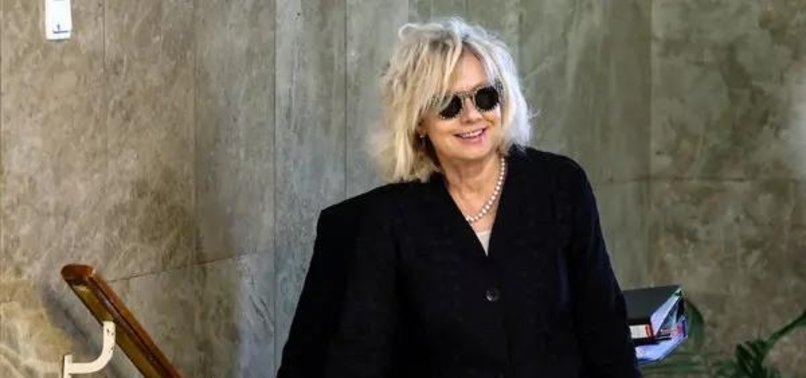
In a move that has sparked significant political and legal controversy, Israel’s government has voted to remove the country’s attorney general, intensifying an already volatile relationship between the executive branch and the judiciary. The dismissal, which comes amid months of friction over judicial authority and governmental reforms, has provoked a new wave of concern from legal experts, political opposition figures, and international observers.
The choice, endorsed by individuals from Prime Minister Benjamin Netanyahu’s coalition, represents a pivotal point in Israel’s continuous constitutional dispute. Opponents claim that this action diminishes the autonomy of the judicial system and signifies a governmental effort to reduce institutional constraints on executive authority. Proponents, on the other hand, argue that the attorney general had exceeded her duties and intruded too much in political matters.
As the country navigates this political turning point, questions loom over the implications for democratic governance, judicial integrity, and the rule of law in one of the region’s most politically active democracies.
The attorney general, appointed during a previous administration, has been a vocal critic of several legal and constitutional initiatives advanced by Netanyahu’s government, particularly those aimed at reforming the judicial system. Among the most controversial proposals was a plan to curtail the authority of Israel’s Supreme Court and limit judicial oversight of executive decisions.
Over the past year, the attorney general issued a series of legal opinions challenging the government’s efforts to pass legislation that critics said would erode democratic safeguards. She also raised concerns about potential conflicts of interest involving members of the ruling coalition, including Netanyahu himself, who has been under investigation in several corruption-related cases.
Government officials who supported the dismissal argued that the attorney general had allowed personal or political biases to affect her legal judgments, thereby obstructing the administration’s legislative agenda. They framed the decision as a necessary step to restore “balance” between the branches of government and ensure that elected leaders can govern without judicial overreach.
Legal professionals and judicial authorities have portrayed the termination as a significant setback to the autonomy of Israel’s legal entities. The attorney general is key in maintaining the rule of law in Israel by offering legal counsel to the government, representing the nation in judicial proceedings, and, importantly, deciding whether legal cases can proceed against public officials.
Removing an attorney general mid-term is rare and historically has occurred only under exceptional circumstances. Critics contend that in this case, the action appears politically motivated and risks setting a dangerous precedent in which legal advisors are punished for acting independently or issuing inconvenient legal opinions.
Former Supreme Court justices and legal scholars have warned that this development could erode public trust in the justice system, particularly if future legal decisions are perceived as being influenced by political loyalty rather than legal merit.
El fallo del gobierno ha provocado nuevas manifestaciones en todo el país, con personas congregándose en las principales ciudades para mostrar su desacuerdo ante lo que consideran una inclinación hacia el autoritarismo. Con consignas que defienden la independencia judicial y ondeando banderas israelíes, los manifestantes han exigido la restitución del fiscal general destituido y la revocación de reformas judiciales vistas como una politización de los tribunales.
Líderes de la oposición en la Knesset han prometido cuestionar el despido por medio de canales tanto legales como parlamentarios. Algunos han solicitado audiencias de supervisión urgentes, mientras que otros están considerando presentar peticiones ante el Tribunal Supremo para evaluar la legalidad de la votación que resultó en la destitución del fiscal general.
International responses have also begun to emerge. Several human rights organizations and foreign diplomats have expressed concern over the implications for legal accountability and democratic checks and balances in Israel. While many foreign governments have not issued formal statements, behind-the-scenes diplomatic conversations are reportedly ongoing.
The dismissal of the attorney general has become the newest focal point in the wider discussion concerning the breadth and framework of Israel’s judicial system. Netanyahu’s administration has pushed for extensive reforms that would allow the Knesset more power to overturn Supreme Court rulings, diminish judicial oversight on laws, and enhance political influence in the selection of judges.
Proponents of these reforms argue that the current system allows unelected judges to exercise disproportionate influence over national policy and that reforms are needed to restore democratic accountability. Detractors, however, view the proposals as attempts to dismantle judicial safeguards and centralize power within the executive branch.
The dismissal of the attorney general might hold strategic importance as well. As the chief legal advisor in Israel, the attorney general possesses the authority to authorize or halt criminal actions against current officials. With Netanyahu embroiled in several ongoing legal matters, critics suggest that her ousting could pave the way for legal outcomes that are more advantageous to the prime minister and his associates.
While the government maintains that it followed proper procedures in dismissing the attorney general, legal analysts suggest the matter is far from settled. Challenges to the legality of the dismissal are already being prepared, with some lawyers arguing that the attorney general cannot be removed for political reasons without violating the principles of judicial independence and due process.
Si el Tribunal Supremo de Israel opta por atender estas demandas, podría nuevamente convertirse en el foco de una tormenta política, determinando si la rama ejecutiva actuó dentro de su autoridad legal o rompió con las normas constitucionales. Una decisión de ese tipo sería crucial para el tribunal, poniendo a prueba su capacidad para mantener independencia bajo una intensa presión política.
The legal dispute regarding the dismissal of the attorney general might shape the future of Israel’s judicial system, especially affecting the relationship between political authority and legal supervision, depending on the results.
The Israeli government is expected to appoint a new attorney general in the coming weeks, though the selection process itself is likely to be controversial. Legal groups and opposition parties have already signaled their intent to scrutinize any nominee for signs of partisanship or conflict of interest.
During this period, deputy legal advisors at the Ministry of Justice might take charge of everyday operations; however, crucial decisions might be postponed until a long-term successor is appointed.
Meanwhile, groups within civil society are preparing for what they consider to be a crucial phase in protecting democratic institutions. Numerous organizations are intending to broaden legal assistance, advocate for change, and increase public awareness efforts focused on preserving judicial autonomy.
The removal of Israel’s attorney general has escalated a deepening conflict between the country’s executive leadership and its judicial system. As the legal and political ramifications unfold, the episode stands as a defining test for the resilience of Israel’s democratic framework.
Whether viewed as a necessary political recalibration or an alarming erosion of legal norms, the decision has placed Israel’s commitment to the rule of law under a global spotlight—and the outcome may shape its democratic trajectory for years to come.
Lo siento, parece que olvidaste incluir el texto HTML que quieres que se reescriba. Por favor, envíalo de nuevo para que pueda ayudarte adecuadamente.