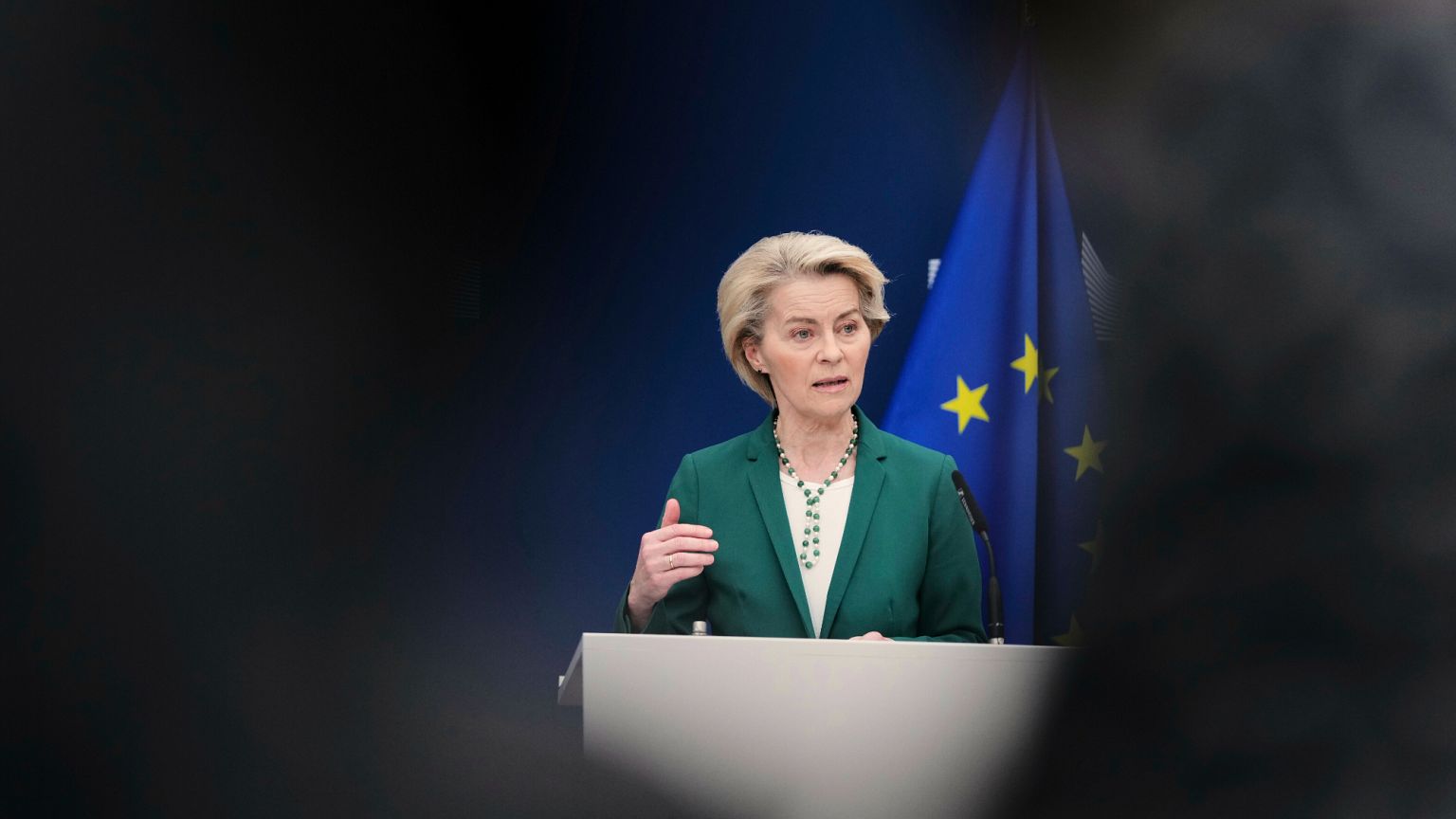
The European Union has agreed to temporarily halt the imposition of retaliatory tariffs on imports from the United States, signaling a strategic pause in a long-running transatlantic trade dispute. The move comes as both sides work to resolve key differences through renewed dialogue aimed at reducing economic tensions and avoiding further escalation in trade restrictions.
Representatives of the European Commission stated that the suspension is an aspect of a larger initiative to foster a positive setting for discussions, especially concerning matters like subsidies, industrial strategy, and regulatory harmonization. The choice to delay further tariffs shows a careful hopefulness that a negotiated resolution is still feasible after years of back-and-forth actions that strained trade relations between the two significant economies.
The current trade tensions between the EU and the U.S. have their roots in several longstanding disagreements, including disputes over government subsidies to large manufacturers, digital taxation, and environmental standards tied to industrial goods. At the center of much of the friction are the subsidies provided to aviation giants—Airbus in Europe and Boeing in the U.S.—which both sides claim created an uneven playing field in global markets.
In response to U.S. tariffs imposed under previous administrations, the EU introduced countermeasures targeting American exports such as agricultural products, machinery, and consumer goods. These tariffs were designed to apply economic pressure while challenging the legality of the U.S. actions at the World Trade Organization (WTO).
The recent suspension of retaliatory actions is seen by numerous analysts as a gesture of goodwill, designed to assist current trade negotiations and reduce tensions in a dispute that has impacted industries on both sides of the Atlantic.
Currently, negotiators are concentrating on settling multiple essential matters, such as disagreements about government subsidies, the significance of sustainable industrial policy, and oversight of online services. Specifically, both sides are striving for an arrangement that harmonizes equitable competition with the necessity to invest in crucial sectors such as semiconductors, renewable energy, and technological infrastructure.
A crucial element of the discussions is the intention to synchronize climate and trade regulations. The EU has suggested carbon border adjustment tools that would levy charges on imported products according to their carbon footprints. The United States has pointed out worries that these tools might serve as implicit trade obstacles if not well coordinated.
Additionally, there is growing interest in creating a joint industrial strategy to counter the influence of third countries—particularly China—in key global supply chains. European and American officials are exploring ways to harmonize standards, protect intellectual property, and coordinate subsidies to ensure mutual benefit without triggering new rounds of trade retaliation.
The temporary suspension of EU tariffs on U.S. products offers relief for exporters on both sides, particularly small and medium-sized businesses that have been disproportionately affected by the trade conflict. Sectors such as agriculture, automotive parts, and specialty manufacturing have borne the brunt of tariffs in recent years, with price hikes and supply chain disruptions impacting producers and consumers alike.
The move also reflects political realities in both Brussels and Washington. With elections on the horizon in several EU member states and in the U.S., policymakers are eager to demonstrate progress in reducing global trade tensions and supporting domestic economic growth. De-escalation may also help stabilize currency markets and reduce inflationary pressures, which remain a concern amid broader economic uncertainty.
For the U.S. government, improving ties with the EU supports endeavors to restore old alliances following years of trade disputes and diplomatic tensions. The Biden administration has made it a priority to regain confidence with European partners, partly by establishing platforms like the U.S.-EU Trade and Technology Council (TTC), aimed at aligning policies on digital commerce, competition, and export regulations.
Although there is current progress, there are still major hurdles to overcome. Conflicts continue regarding the organization of subsidies, whether levies on digital services disproportionately affect U.S. companies, and how to align industrial competitiveness with environmental objectives. Additionally, trade policy is frequently influenced by internal disagreements within the EU, as member countries have varying priorities based on their economic characteristics and political stances.
There is also the risk that unresolved issues could reignite tensions if negotiations falter or if one side perceives the other as acting unilaterally. For example, if either party were to implement new trade measures without mutual agreement, it could undermine the fragile trust that the current talks are attempting to rebuild.
To address these challenges, trade specialists suggest that both parties should agree to transparency, consistent dialogue, and conflict resolution strategies that inhibit disputes from developing into significant tariff wars. Reinforcing international organizations like the WTO is also considered vital for upholding a regulations-based global trade framework.
The choice made by the EU to halt punitive tariffs aimed at the U.S. carries ramifications that extend beyond their mutual dealings. It signals to the international market that leading economies can still address conflicts through negotiation instead of resorting to protectionist measures. This holds particular significance as global supply chains continue to be fragile and economic division is a growing issue.
Commerce experts propose that the present discussions between the EU and the U.S. might act as a framework for settling additional global trade disagreements, especially those concerning critical industries like digital trading, intellectual assets, and sustainable technologies. Should these talks prove fruitful, the process could strengthen transatlantic collaboration in global platforms and promote joint strategies for addressing emerging trade issues.
Additionally, the halt in countermeasures may prompt other countries to reevaluate the reliance on tariffs as a standard policy instrument. Amidst rising prices, worker scarcities, and disturbances in supply chains impacting numerous economies, lowering trade barriers could help alleviate strain on global markets and enhance the distribution of crucial products.
The European Union’s decision to suspend retaliatory tariffs against the United States marks a cautious yet important step toward resetting transatlantic trade relations. While substantial issues remain on the negotiating table, the gesture reflects a mutual willingness to engage in constructive dialogue and avoid further economic confrontation.
As discussions continue, the emphasis will likely remain on finding common ground in areas such as climate-aligned trade, digital regulation, and strategic industrial development. If both sides can maintain momentum, the outcome may not only defuse one of the most visible trade disputes in recent years but also pave the way for a more cooperative and resilient global trading system.