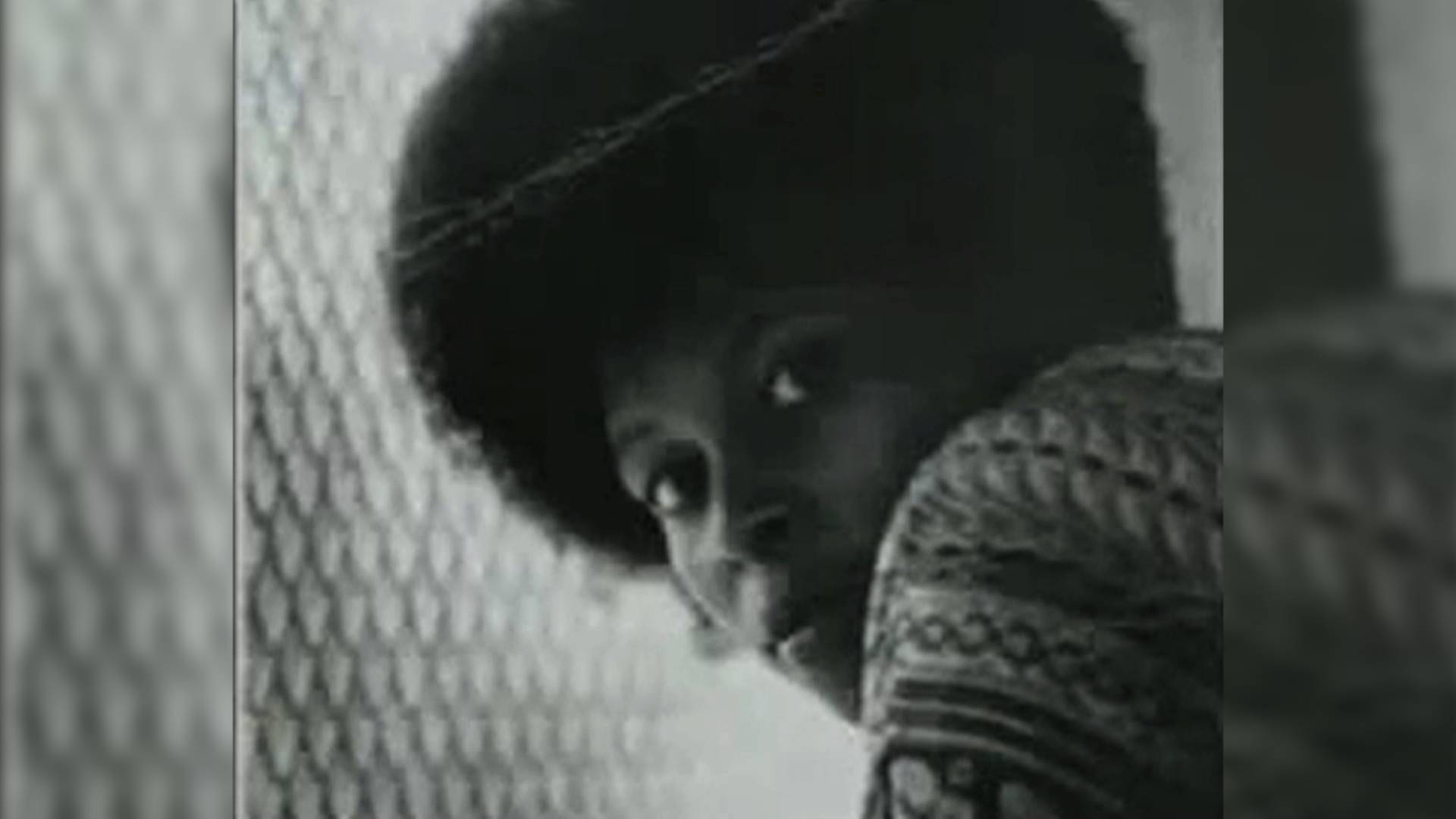
The death of Assata Shakur in Cuba has sparked worldwide discussions regarding activism, defiance, and the enduring influence of one of the most debated personalities of the 20th century.
Assata Shakur, a figure whose life has been at the heart of political discussions and cultural stories, has passed away in Cuba, where she had been residing in exile for many years. Recognized as rapper Tupac Shakur’s godmother, she was also a symbol representing the blend of activism, revolution, and dispute. Her passing signifies the closure of a historical era that spanned across countries, generations, and political movements.
Born JoAnne Chesimard in Queens, New York, she emerged as a prominent member of the Black Panther Party and later the Black Liberation Army during the 1960s and 1970s, a period of intense social and political unrest in the United States. Her involvement in these organizations made her both a symbol of resistance for some and a wanted figure for others. She was eventually convicted in connection with the death of a New Jersey state trooper in 1973, a case that drew enormous attention and polarized public opinion. In 1979, she escaped from prison and fled to Cuba, where she was granted asylum by the government, remaining there until her death.
A life marked by activism and controversy
Shakur’s life was deeply intertwined with the struggles for racial equality and justice in America. As a young woman, she was drawn to the Black Panther Party’s message of empowerment and community protection. She dedicated her efforts to fighting systemic oppression, working in community programs that sought to address poverty, healthcare, and education in underserved areas.
However, her activism soon collided with the U.S. justice system. Shakur was implicated in several violent incidents associated with the Black Liberation Army, culminating in her arrest and conviction. To her supporters, she was a victim of political persecution, targeted by government agencies determined to dismantle Black liberation movements. To her critics, she was a dangerous militant who used violence to advance her cause. This dual perception followed her throughout her life, ensuring that she remained a polarizing figure long after she left the United States.
Her daring prison escape in 1979 added to her legend. Assisted by allies, she managed to flee a maximum-security facility and make her way to Cuba. Once there, she built a life in exile, protected by the Cuban government and admired by sympathizers worldwide. Her presence in Cuba became a source of tension between the U.S. and Cuban governments, as Washington repeatedly demanded her extradition, while Havana consistently refused.
Cultural influence and connection to Tupac Shakur
Assata Shakur’s legacy extends beyond politics and activism, permeating culture and art. She became a muse and symbol for artists, writers, and musicians who saw in her story a reflection of struggle and defiance. Her autobiography, published in the 1980s, offered a personal account of her experiences and became a cornerstone for those studying the history of the Black liberation movement.
Her link to hip-hop was solidified via her bond with her godson, Tupac Shakur. The musician frequently touched on themes of opposition, inequity, and perseverance in his songs, themes that mirrored Assata’s experiences. For numerous individuals within the hip-hop community, she embodied a connection between the radical spirit of the 1960s and 1970s and the societal struggles of the 1990s and future generations.
The resonance of her life story was not limited to the United States. Across the world, activists and thinkers looked to her as an example of resilience in the face of state power. Her name appeared in protest chants, songs, and speeches, becoming part of a global vocabulary of resistance.
The debate over her legacy
The passing of Assata Shakur has sparked renewed conversations on her influence, highlighting the intricacies of her journey and decisions. To some, she is a symbol of defiance against institutional racism and injustice, a person who sacrificed deeply for her convictions. Others remember her as a convicted outlaw whose actions left lasting damage.
The U.S. government had long classified her as one of the most wanted fugitives, even offering a significant reward for her capture. Yet despite this, she managed to live openly in Cuba, participating in academic and cultural events while remaining beyond the reach of American authorities. This reality underscored the enduring political divide between the two nations and highlighted the global dimensions of her story.
In Cuba, Shakur was often portrayed not as a criminal, but as a political refugee who had escaped persecution. Her death there marks the conclusion of an extraordinary exile, one that became a symbol of defiance for some and frustration for others.
A long-term influence on history
Assata Shakur’s death closes a life that was as influential as it was controversial. She lived at the crossroads of activism, art, politics, and culture, shaping conversations that continue to this day. The questions raised by her story—about justice, resistance, and the power of belief—remain unresolved, ensuring that her name will endure in debates about history and social change.
For her supporters, Shakur represented courage and defiance, a voice against oppression that refused to be silenced. For her detractors, she was a reminder of a turbulent era marked by violence and division. Regardless of perspective, her influence cannot be denied.
Her death in Cuba does not eliminate the complexities of her existence; on the contrary, it highlights them, serving as a reminder to the world that individuals such as Assata Shakur cannot be easily categorized. She simultaneously embodied the roles of an activist, a fugitive, a cultural icon, and a contentious character—elements that made her narrative captivating and her legacy lasting.
As reflections on her life continue to unfold, one thing remains clear: Assata Shakur’s name will be remembered not only for her role in history but also for the enduring conversations she sparked about justice, resistance, and the meaning of freedom.